
Why No Two Handmade Pieces Are Exactly the Same?
If you’ve ever picked up two handmade ceramic mugs and thought…
“Wait, these aren’t exactly the same,” you’re right and that’s not a flaw—it’s the flex. In a world trained by mass production to expect perfect copies, handmade ceramics play by completely different rules. The slight differences you see? Those are proof that what you’re holding is real, intentional, and one-of-a-kind.
Let’s break down why no two handmade pieces are ever identical—and why that’s exactly what makes them worth it.
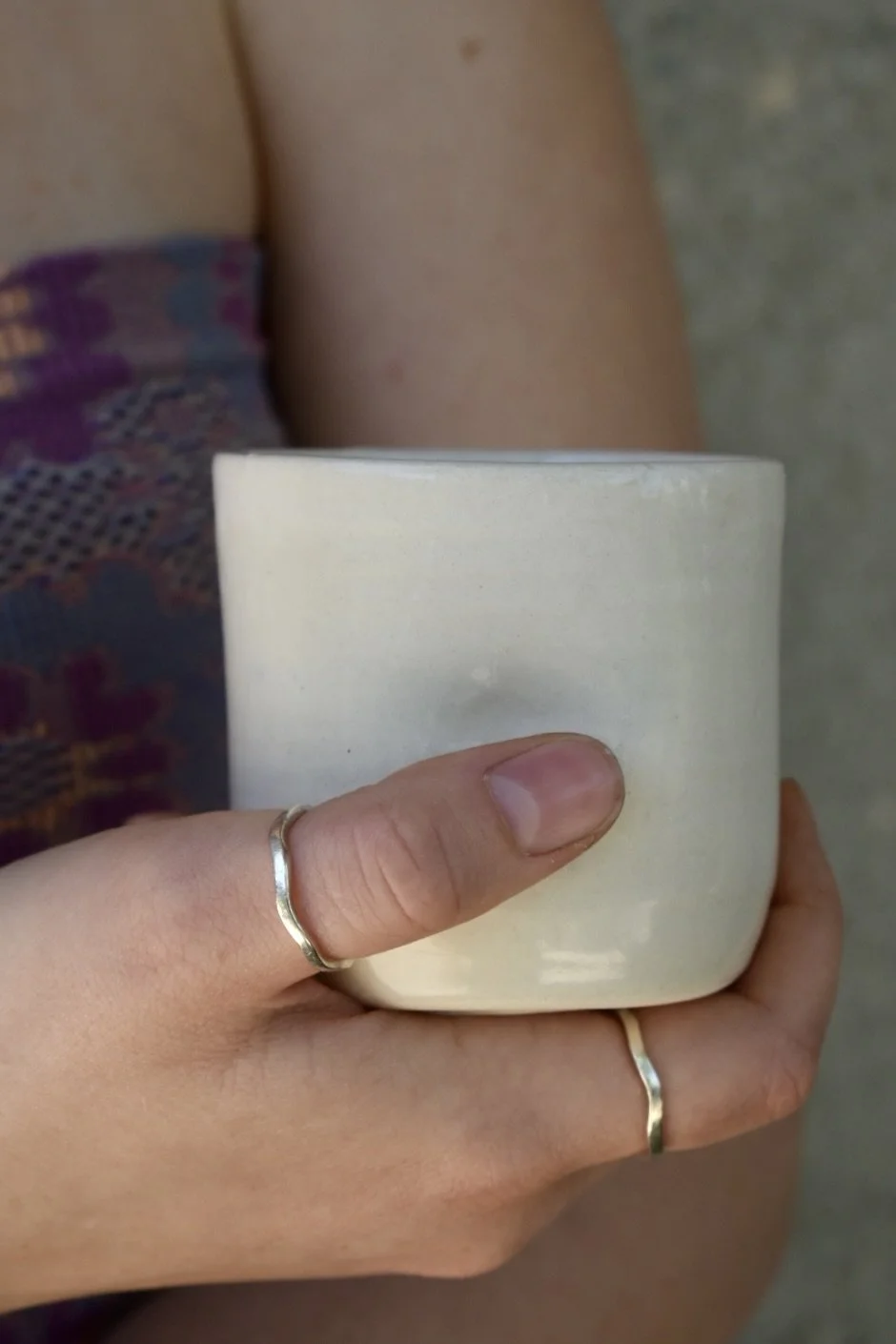
Mass-produced ceramics are made using molds and machines designed to replicate the same item thousands of times with near perfection. Handmade ceramics? They’re shaped by actual human hands.
That means:
Tiny variations in pressure while forming the clay
Slight differences in shape, height, or thickness
Subtle changes in curves, edges, and details
Even the most skilled ceramic artist cannot (and honestly should not) recreate something exactly the same. Because humans aren’t machines and that’s where the magic lives.
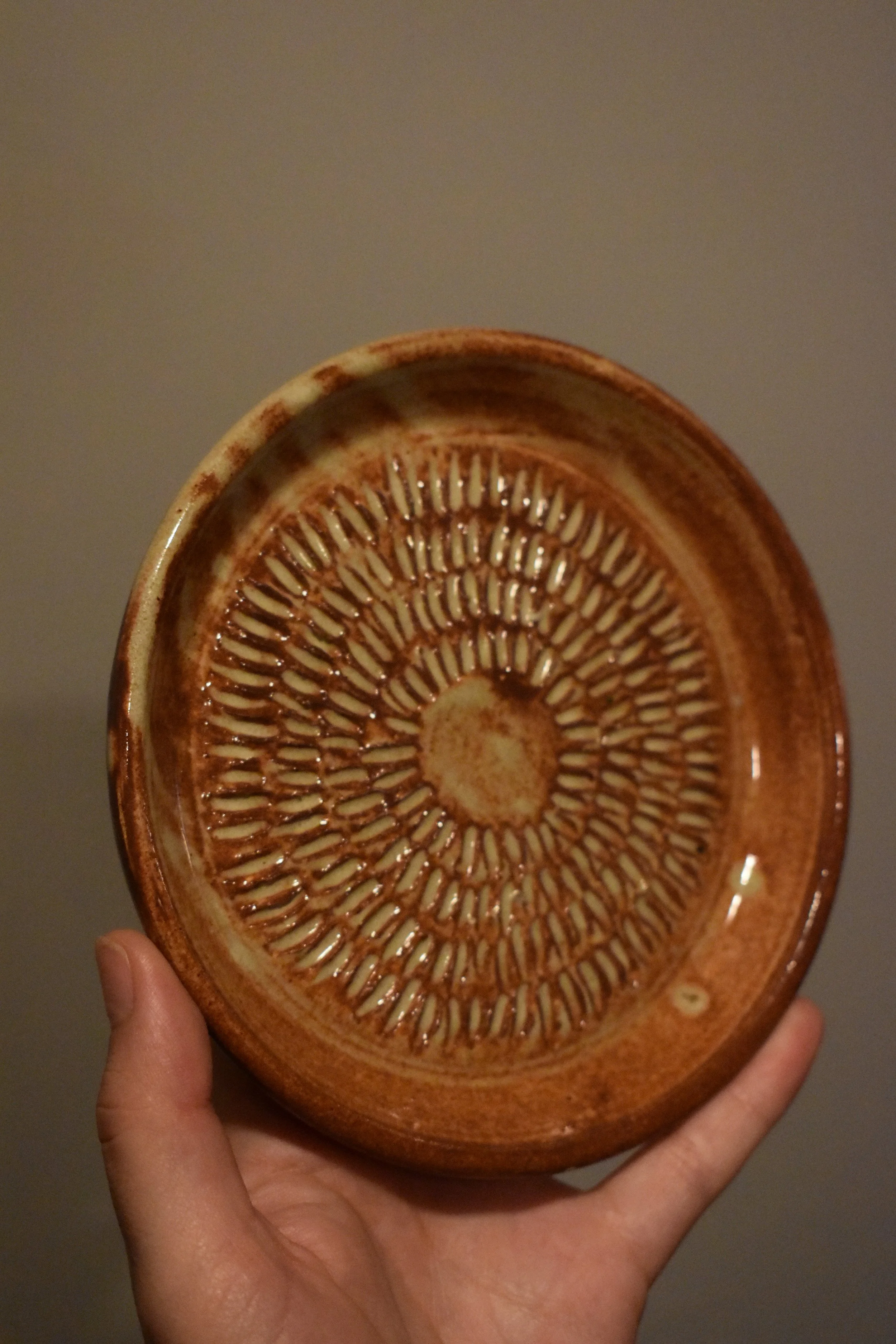
Clay Has a Mind of Its Own…
Clay is a natural material—and natural materials are unpredictable. As it dries and fires, clay can:
Shrink slightly (and not always evenly)
Warp depending on thickness or shape
React differently based on humidity and temperature
So even if two mugs start out looking similar, the drying and firing process can shift things just enough to create subtle differences. It’s part science… part chaos.
Here’s where things get even more interesting. The kiln (aka the oven that fires ceramics at extremely high temperatures) can completely transform a piece.
Inside the kiln:
Heat distribution can vary from one spot to another
Glazes melt, move, and react unpredictably
Colors can deepen, shift, or develop unique variations
Two pieces glazed the same way can come out looking slightly different depending on where they sat in the kiln. So when you see variation in color or finish? That’s not inconsistency—it’s chemistry doing its thing.
Glazing Is an Art, Not a Formula.
Glaze is where a lot of personality comes through. Unlike factory production (where coatings are precisely controlled), handmade ceramics are often:
Dipped by hand
Poured or brushed on
Layered for depth and texture
This creates:
Variations in color saturation
Unique drip patterns
One-of-a-kind finishes
No two glaze applications will ever be identical—and that’s exactly what makes each piece feel special.
Small “Imperfections” = Character
Let’s rebrand the word “imperfection” real quick. In handmade ceramics, things like:
Slight asymmetry
Tiny texture differences
Organic shapes
…aren’t mistakes. They’re character. They tell you:
A human made this
Time and care went into it
This piece wasn’t rushed through a system
Perfectly identical = forgettable.
Slightly unique = memorable.
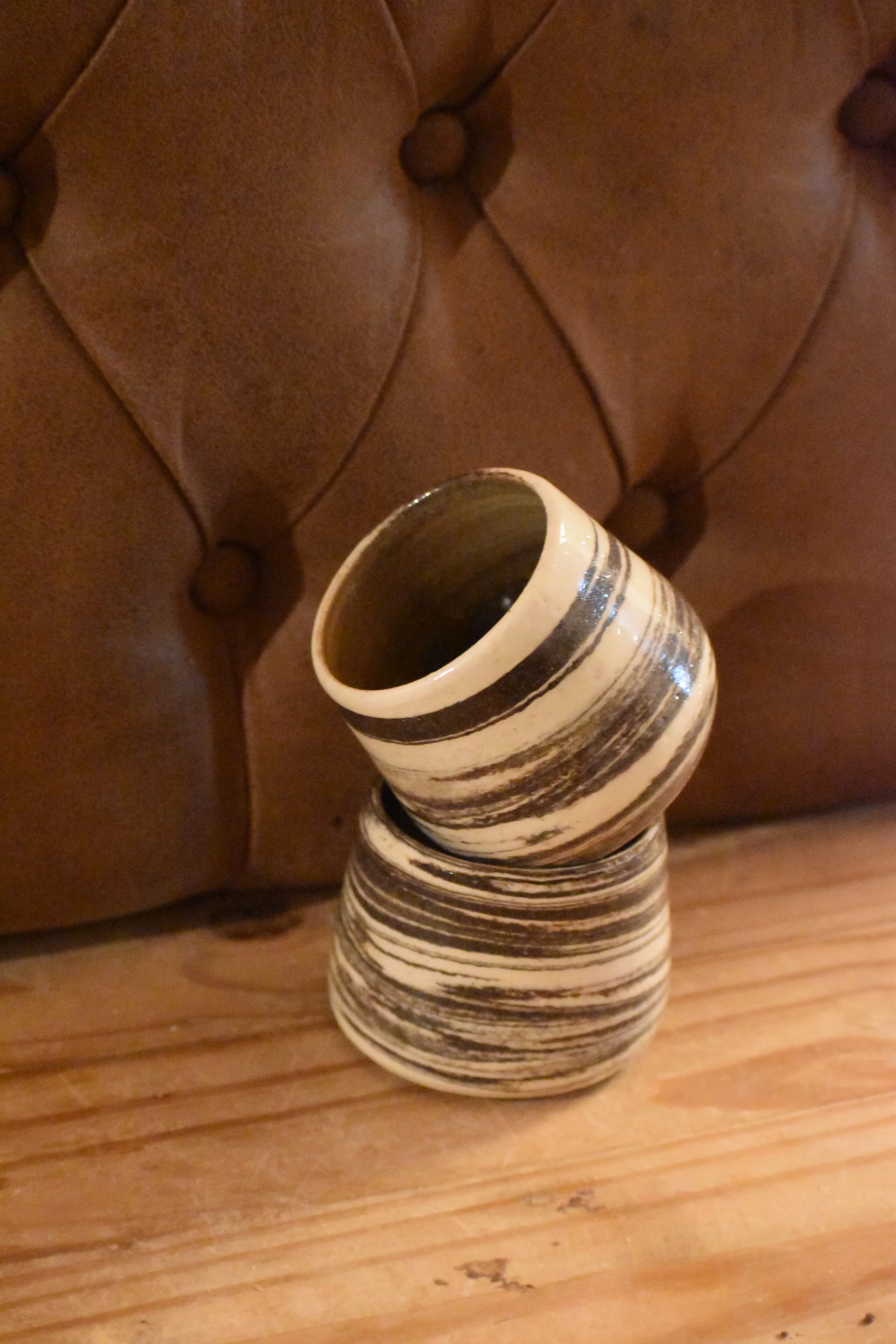
When you buy handmade ceramics, you’re not just buying a product—you’re choosing a different standard. Instead of expecting:
“This must look exactly like the photo”
The expectation becomes:
“This will look like the photo, but uniquely mine”
That shift is everything. It turns your purchase into something personal, not just functional.
So… Is Variation a Bad Thing?
Only if you’re expecting factory-level sameness. But if you’re here for:
Artistry
Authenticity
Pieces that feel like they have a story
Then variation is the entire point.
No two handmade ceramic pieces are exactly the same because they’re not supposed to be. They’re shaped by hand. Changed by fire. Finished with intention. And the one you end up with? It’s yours in a way no mass-produced item could ever be.
That’s not a flaw, it’s the value.