
How to Care for Your Handmade Ceramics
Keep Your Pieces Beautiful for Years.
You bought the handmade mug or the bowl, or the plate that just dropped. And now you’re like… “Wait—am I about to ruin this by washing it wrong?”
Totally valid question. Handmade ceramics are durable, functional, and meant to be used, but they are different from mass-produced pieces. A little extra care goes a long way in keeping them looking as good as the day you got them. So let’s break it down, no gatekeeping, no overly precious energy, just real guidance on how to take care of your ceramics without being scared to use them.
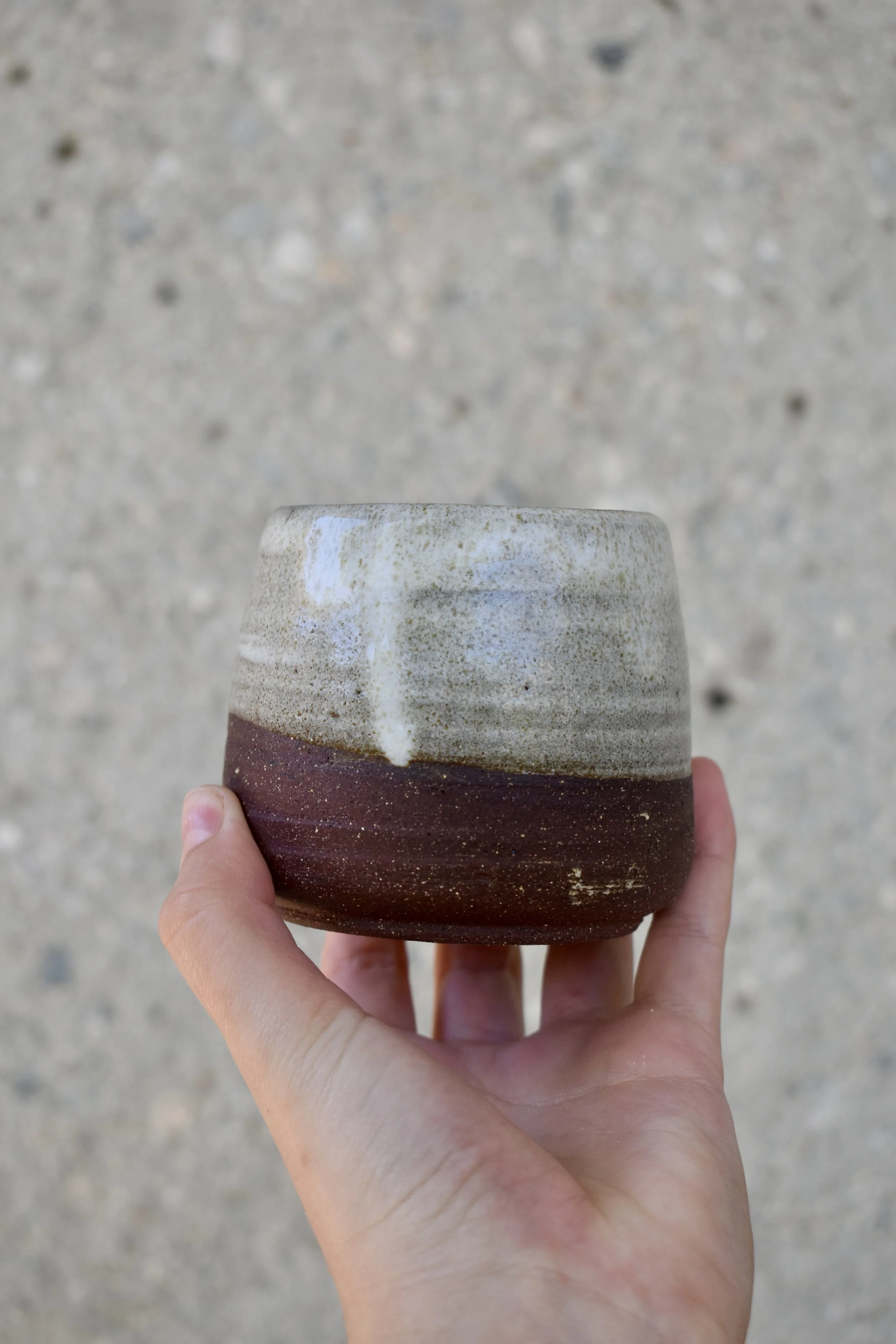
First Things First: Yes, You Can Actually Use Them
There’s this weird myth that handmade ceramics are “too delicate” for daily life. Not true.
Most handmade pieces (especially from experienced ceramic artists) are:
Fully vitrified (aka properly fired and sealed)
Food-safe
Made for everyday use
Translation: Use the mug. Eat off the plate. Live your life. Just… don’t treat it like a $3 gas station cup.
Washing: Keep It Gentle
Best practice? Hand wash when you can. Here’s the vibe:
Use warm water (not extreme hot/cold swings)
Mild dish soap
A soft sponge (skip the aggressive scrubbers)
Why it matters: Handmade ceramics can have slight variations in glaze or texture, and harsh scrubbing can wear those down over time. Dishwasher safe? Sometimes, yes— but if you want longevity, hand washing is always the safer move.
Temperature Changes: Avoid the Shock Factor
Ceramics and sudden temperature changes = not friends. What to avoid:
Taking a piece from the fridge → straight into a hot oven
Pouring boiling water into a freezing cold mug
Running hot water over a chilled piece immediately
This can cause something called thermal shock—aka cracks or breakage. Best practice: let your piece come to room temp before exposing it to extremes.
Most handmade ceramics are microwave safe—but not all are oven safe. Here’s a general rule:
Microwave: Usually fine (unless there’s metallic detailing)
Oven: Only if the artist explicitly says so
If you’re unsure, play it safe and keep it out of the oven.
Stains & Odors: How to Keep It Fresh
Over time, things like coffee, tea, or highly pigmented foods can leave slight staining—especially on lighter glazes.
Easy fix:
Baking soda + water paste = gentle stain remover
Let it sit, rinse, and you’re good
For odors (like that lingering coffee smell):
Soak with warm water + a little vinegar
Rinse thoroughly
No need for harsh chemicals.
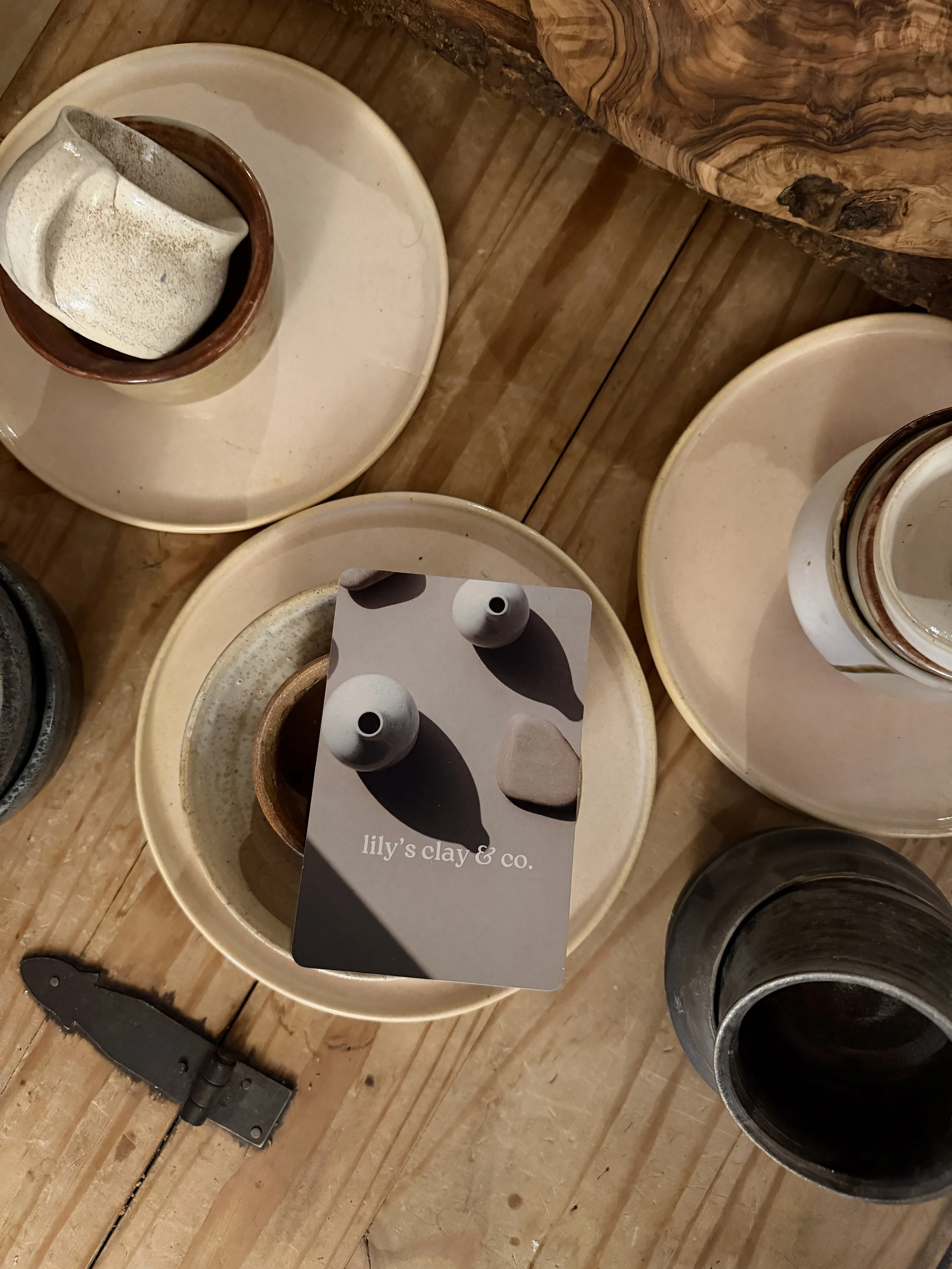
We need to talk about stacking. If you’re stacking bowls or plates:
Place a soft layer (like a paper towel or cloth) between them
Avoid forcing pieces together if they don’t sit naturally
Handmade ceramics can have slightly uneven rims or bases, which means stacking them carelessly can lead to chips over time. You don’t need to treat your ceramics like fragile museum artifacts.
But you should:
Be mindful when setting them down (no aggressive clanking)
Avoid overcrowding them in sinks or dish racks
Give them a little breathing room in storage
Think: intentional, not anxious.
What If Something Chips?
It happens. If a piece chips:
If it’s minor, it’s still usable (just be mindful of sharp edges)
If it affects function, it might be time to retire it from daily use
But also? Chips and wear can be part of the story. Not everything needs to stay “perfect” to be loved.
Handmade ceramics are meant to be used, not just admired. The goal isn’t to keep them in pristine, untouched condition forever. The goal is to let them live with you—morning coffee, late-night snacks, dinner with friends.
Take care of them, yes. But don’t baby them so much that you forget why you bought them in the first place. Because the real value? Is in the moments they’re part of.