How to Make Your Kitchen Feel Like a Calm, Intentional Space
Your kitchen isn’t just where you cook. It’s where your day starts, where conversations happen, where you exist in between everything else. And yet, most kitchens feel chaotic, cluttered, and purely functional. Like a space you use, not a space you experience.
If you’ve been craving that calm, grounded, effortlessly put-together kitchen energy, it’s not about a full renovation or buying a million new things. It’s about intention. It’s about how your space feels when you’re in it. Because a calm kitchen doesn’t happen by accident, it’s created, piece by piece.
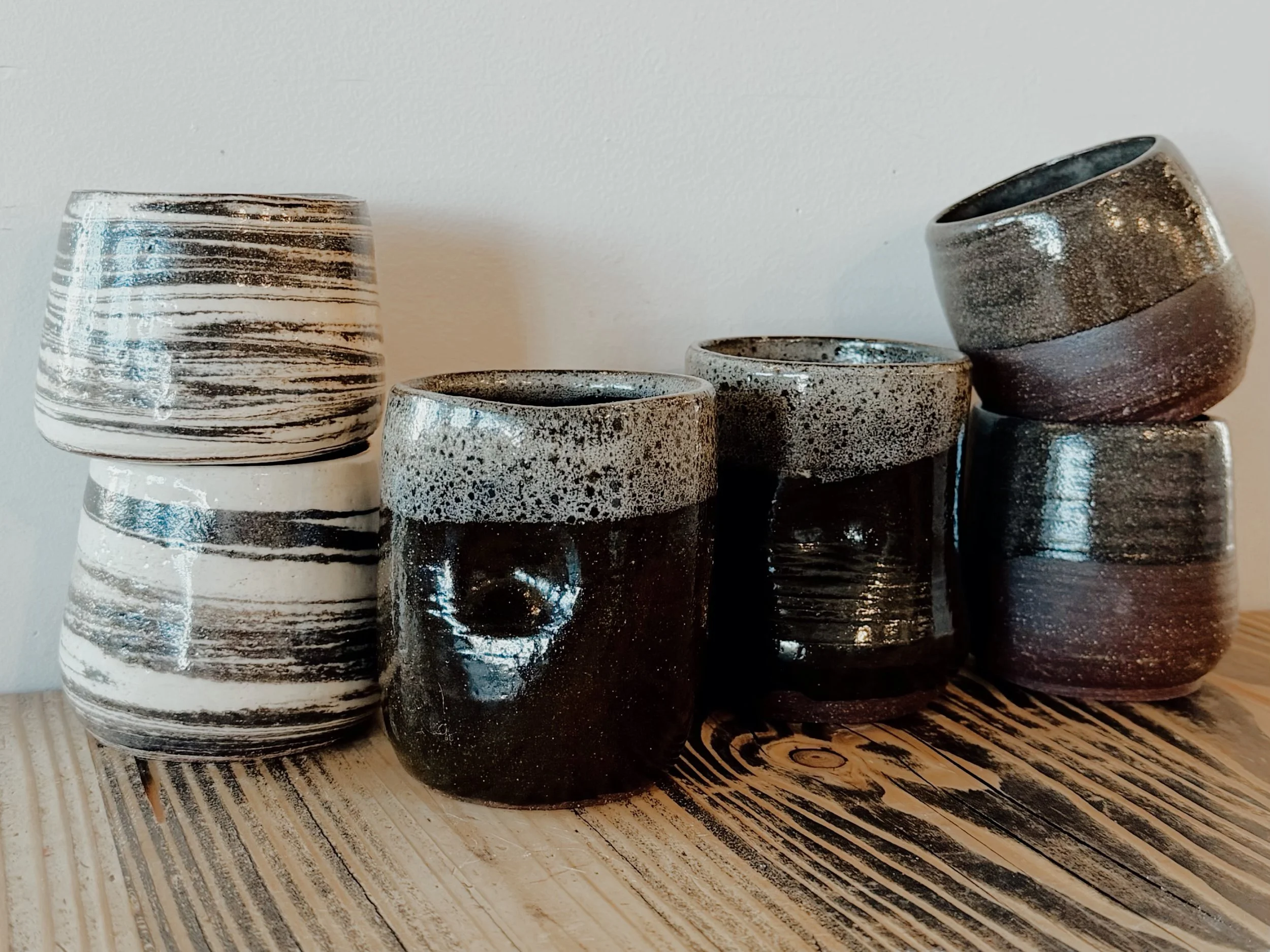
The first shift is realizing that less really is more, but only when what’s left actually matters. A calm space starts with editing. Not aggressively stripping your kitchen down to nothing, but removing what feels unnecessary, unused, or visually overwhelming. When your counters are crowded with random items, your brain feels it. When they’re clear with just a few intentional pieces, everything softens. You breathe differently in a space like that.
From there, it’s about choosing objects that don’t just serve a function, but also contribute to the atmosphere. The things you leave out should feel good to look at and good to use. This is where materials come in. Swapping plastic or overly manufactured items for natural, grounded elements (like ceramic, wood, glass, or linen) instantly shifts the energy. A handmade ceramic mug on the counter, a wooden cutting board leaning casually against the backsplash, a linen towel draped over the sink—these small details create warmth without trying too hard.
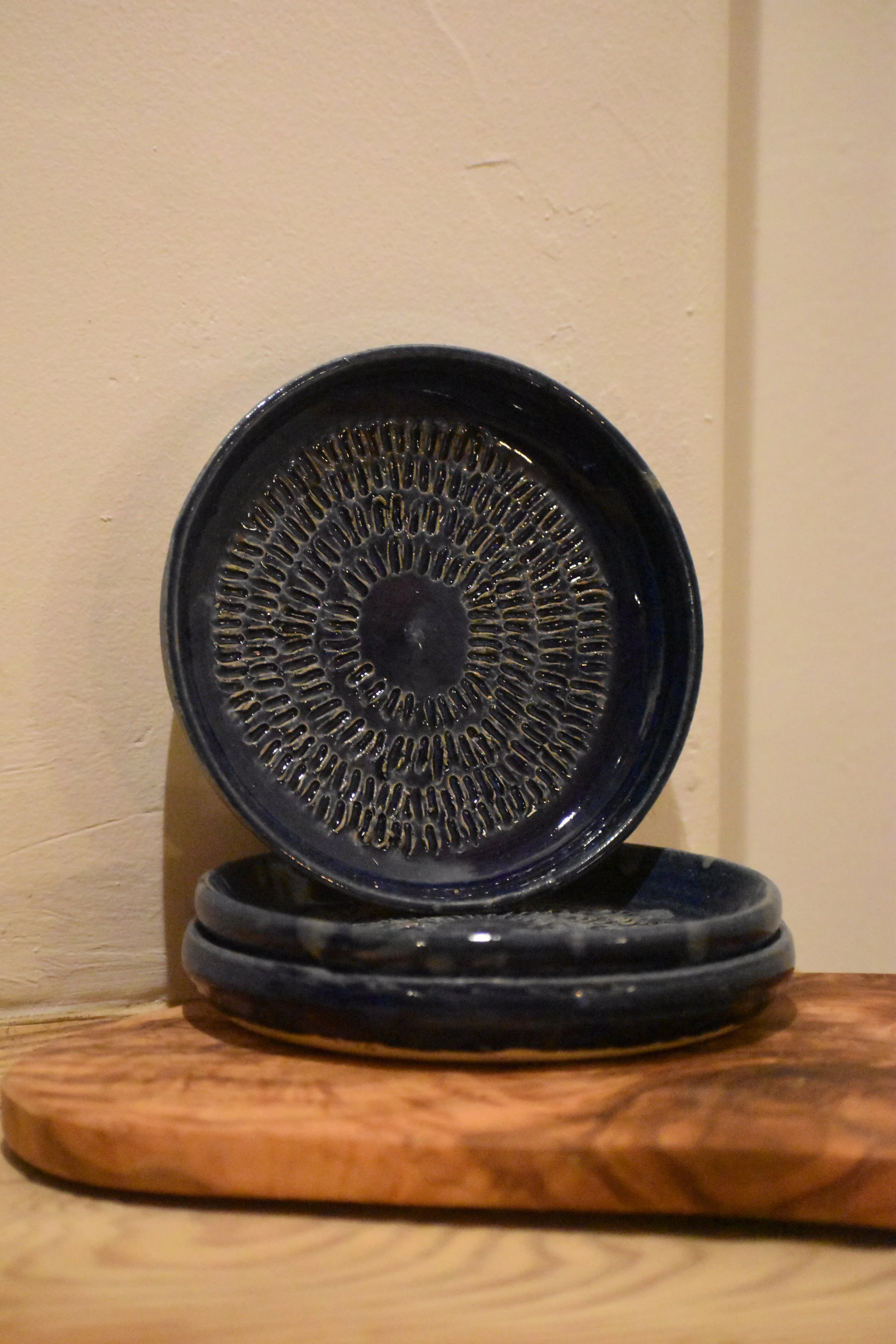
Color plays a quiet but powerful role, too. Calm kitchens tend to live in a softer, more neutral palette—warm whites, sandy beiges, muted greens, earthy tones. Nothing too stark, nothing too loud. These tones don’t compete for attention; they create a backdrop that allows everything else to exist peacefully. And when your ceramics and kitchen pieces fall within that palette, the entire space starts to feel cohesive without needing to match perfectly.
But creating a calm, intentional kitchen isn’t just about how it looks, it’s about how it flows. Think about how you move through the space. Where do you reach first in the morning?
What do you use daily? Keeping those items accessible and beautifully integrated into your space changes everything. Instead of digging through cabinets, your favorite mug is right there. Instead of clutter, there’s ease. The kitchen begins to support you instead of stress you out.
There’s also something to be said about slowing down the experience itself. When your space feels intentional, you naturally start to move differently in it. You pour your coffee and actually enjoy it. You plate your food instead of eating it straight from the pan. You notice the textures, the light, the quiet moments in between tasks. The space invites you to be present, even in the most routine parts of your day.
And maybe the most important part of all of this is letting go of the idea that everything needs to be perfect. A calm kitchen isn’t a staged showroom. It’s not sterile or untouched. It’s lived-in, but thoughtfully so. A little imperfection—a slightly uneven stack of bowls, a mug left by the sink, a cutting board that shows signs of use—adds character. It makes the space feel real, not rigid.
At the end of the day, creating a calm, intentional kitchen isn’t about aesthetics alone. It’s about how you want to feel in your space. Grounded. Clear. At ease. And the beauty is, you don’t need to overhaul your entire kitchen to get there. You just need to start paying attention to what you keep, what you use, and what you surround yourself with daily.
Because when your kitchen feels good, everything you do in it feels better too.